
Welcome to MDs4Kids Medical
Home of the Gerba Method!
MD4Kids Medical is here for you during prenatal visits for expecting parents, post-natal breastfeeding support, and all way through college. We deliver a full range of pediatric services for whatever your family’s needs may be. Our team is committed to providing quality care in a comfortable, safe environment where you and your family can feel at ease.
Schedule Appointment- Existing Patients via Patient Portal
Schedule Appointment- New Patients
Directions to Our Practice
Link to location address935 Northern Blvd, Suite 300, Great neck, New York 11021
Phone: Link to location phone number516-466-KIDS
Link to Schedule a tour pageSchedule an Office Tour!Practice Hours
Monday: 8:30AM – 6:00PM
Tuesday: 8:30AM – 6:00PM
Wednesday: 8:30AM – 6:00PM
Thursday: 8:30AM – 6:00PM
Friday: 8:30AM – 6:00PM
Saturday: 9:00AM – 1:00PM
Sunday: Closed
**Telehealth available daily until 10:30PM
Our Services
Pediatric Care Team of Great Neck, New York
The skilled pediatricians, nurses, and staff at MDs4Kids Medical ensure your family receives the best possible care in Great Neck, New York. As members of Allied Physicians Group, our offices have access to a network of pediatricians and specialists to support our pediatric services, solutions, resources, and capabilities for your child’s health. Learn more about our pediatricians and our practice’s commitment to your family.
-
Headshot of Gary Mirkin, MD

Gary Mirkin, MD
Read Bio about Gary Mirkin, MD -
Headshot of William M. Gerba, MD

William M. Gerba, MD
Read Bio about William M. Gerba, MD -
Headshot of Heidi R. Russ, MD

Heidi R. Russ, MD
Read Bio about Heidi R. Russ, MD -
Headshot of Karen Rubel, MD

Karen Rubel, MD
Read Bio about Karen Rubel, MD -
Headshot of Salvatore Caravella, MD

Salvatore Caravella, MD
Read Bio about Salvatore Caravella, MD -
Headshot of Rebecca Biber, NP

Rebecca Biber, NP
Read Bio about Rebecca Biber, NP -
Headshot of Pierangela Frisina, PNP
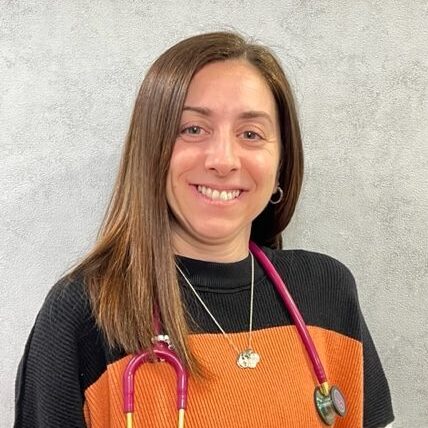
Pierangela Frisina, PNP
Read Bio about Pierangela Frisina, PNP


Helpful Quick Links
Office Policies
Providing quality medical care for our patients is our primary concern; we are more than willing to provide that care within your insurance contract guidelines whenever possible if you let us know at each time of service what those guidelines are.
It is your responsibility, as the parent/insured, to be aware of the current terms of your insurance coverage. All copayments, by contract, must be paid at the time of your visit. We reserve the right to charge an additional service charge—currently $10.00—for any copay left unpaid on the date of service. If your yearly deductible has not been met, this must be paid at the time of your visit. If you do not have insurance, or insurance we participate in, payment is expected at the time of service. For your convenience, we accept cash, check or credit cards.

Helpful Tools for Your Child's Health


About Allied Physicians Group in New York
Founded in 2006, Allied Physicians Group is the largest physician-owned pediatric partnership in New York metropolitan area. As a physician-led organization, Allied Physicians Group is a growing partnership of more than 35 pediatric practices, asthma, allergy, immunology, pulmonary specialists, and adult medicine physicians, who are located throughout Greater New York City, Long Island, and the lower Hudson Valley region. Each year, the 150 clinicians of Allied Physicians Group see more than 180,000 patients and remain dedicated to comprehensive, quality healthcare for all patients.

Read the Latest Pediatric Articles from APG Pediatricians
Pediatrician Interview Questions: What to Ask Before Baby Arrives
As you approach the final stretch of your pregnancy, one important step in preparing for your baby's arrival is choosing…
Read More about Pediatrician Interview Questions: What to Ask Before Baby ArrivesHow Soon After Birth Should Your Baby See the Pediatrician?
After the whirlwind event of welcoming a new baby into the world, one of the first real-world adventures you embark…
Read More about How Soon After Birth Should Your Baby See the Pediatrician?What To Do When You Choose a Pediatrician: Next Steps
What To Do When You Choose a Pediatrician: Next Steps Congratulations! You've navigated the maze of how to choose a…
Read More about What To Do When You Choose a Pediatrician: Next Steps